
Gardening in a Changing Climate
After a shocking summer of repeated heatwaves, already dry soils turning to dust and hosepipe bans across the country, most gardeners have already concluded that we are now gardening in a changing climate.
We have seen plants mirroring our own confusion, throwing out blossom too early as they thought winter was over, or even sending out a second flush when small, dry fruits were already forming from the first blooms. Most of us waited with bated breath for the April showers, but they never came, preventing plants from sucking up the moisture they needed to put out strong growth.
The growing season has been extended in the UK with milder winters and warm springs. However, erratic temperatures and low light levels have caused chaos. In my greenhouse alone, this produced weak, leggy seedlings which only recovered with assiduous feeding and cosseting. Nurseries have found it impossibly challenging. We are no longer able to predict our growing cycles.
Harvests have also been capricious. I have had plenty of peppers and aubergines but only a handful of small tomatoes. The courgettes were a complete write-off. No glut here.
Taking a month away from my garden to build a beautiful one at RHS Sandringham was thrilling, but the sad state of my borders almost drew tears as I surveyed the damage on my return.
We finally had a few showers in late August, but these were nowhere near enough to redress the balance.
This was a good opportunity to analyse what had survived. I put them into three ruthless categories: winners, hangers and losers.
Winners were all those that had not seemed to have been affected in any way by months of blue skies, punishing sunshine and brutal temperatures.
My winners were late-flowering ornamental grasses such as Panicum ‘Prairie Sky’, ‘Shenandoah’ and ‘Squaw’, all still looking marvellous. Molinia ‘Transparent’ was a little less lofty than usual but is flowering beautifully, while the biscuit-coloured flower heads of Calamagrostis × acutiflora ‘Karl Foerster’ are waving elegantly in the lower light levels.
Agapanthus of any sort just kept going; Hylotelephiums, Phormium and Cordylines all seemed to thrive. Rosemary and Oregano ‘Herrenhausen’ did very well. Euphorbia mellifera and Euphorbia characias subsp. wulfenii soldiered on regardless, alongside Cistus, which flowered with abandon.
Hemerocallis ‘Burning Daylight’ (how apt) flowered endlessly. Salvias have also done brilliantly in parched soil. ‘Nachtvlinder’ is a favourite of mine, as is the moody ‘Amistad’. Although she took her time, ‘Amistad’ is now 2 metres tall and covered in flowers.
Roses! Roses! Roses! Their deep, moisture-seeking roots have really done them proud and I have had magnificent blooms all summer.
Hangers were all the plants which were alive but struggling, with crispy leaves and going into a false autumn, dropping their leaves or just looking pathetic.
Persicaria amplexicaulis ‘Firetail’ managed to get to a decent size but flopped outwards mid-summer, and most of the flower buds never made it to full flower. Persicaria amplexicaulis ‘Rosea’ did slightly better and made a decent height in shady areas, but the leaves have turned pink and crispy around the edges.
Rudbeckia fulgida var. deanii has sat baking in front of my grasses. They looked droopy and pitiful since June. However, remarkably, after the first brief, wafty showers of rain, they perked up and are now pretty much the only thing flowering, giving some jolly waves of yellow as the big yellow flower in the sky finally reappeared.
In my shady corner, Eurybia divaricata is floppy and dishevelled and the flower buds dried out.
Losers were the ones that were toast – literally dead, almost dead or so damaged they are not likely to recover.
Several rhododendrons optimistically planted by my predecessor have simply turned up their toes. All seven are coming out.
Small, young plants which I had divided in the winter and had not had time to send out roots into moist spring soil also failed, such as wild strawberry plugs. All of my kale plants were mercilessly munched by pests.
Overcoming the challenges of the heat
Going forward, it is always a good idea to buy your plants locally. It is worth seeking out plant nurseries at local plant fairs. This way, you are buying plants which are mostly being grown in similar conditions to where you live, which means they are more tolerant of local weather conditions, will establish more quickly and will thus be more resilient to pests and diseases.
If you find you now have big gaps in the garden from things that have failed, use the autumn to replace your casualties. This gives them the whole of winter and spring to establish their roots and gives them a better chance of surviving another hot summer.
Choose plants which enjoy the heat: roses, salvias, euphorbias, grasses and most herbs are very tolerant of hot weather and desiccated soil.
With hosepipe bans becoming more likely, consider increasing your capacity to collect rainwater around the garden. It’s amazing how much water comes off a small shed in a downpour.
As the growing season becomes longer, be mindful to choose plants for your garden which provide pollen sources for bees and butterflies over a longer period. This can be achieved by planting bulbs and blossoming shrubs and trees for the spring, and late-flowering plants such as Echinacea, Agastache, Helenium, Hylotelephium and Rudbeckia.
Reduce the number of pots in your garden if you can. Plants will do better in the ground than in pots. If you only have pots, then go for bigger sizes and plant things together in communities. Top-dress with gravel or stones from the garden to retain moisture.
Try to resist the urge to tidy up too much. When cutting things back, snip the stalks and dead leaves into small pieces and leave them as a mulch on the surface of the soil. They will eventually rot down in situ. If you feel this looks untidy, you can always top-dress with mulch on top of these clippings. This way, the soil is shaded and evaporation of moisture from the soil is reduced.
Which were your Winners, Hangers and Losers? Let us know in the comments below. We’d love to hear about your experiences.
Sam x
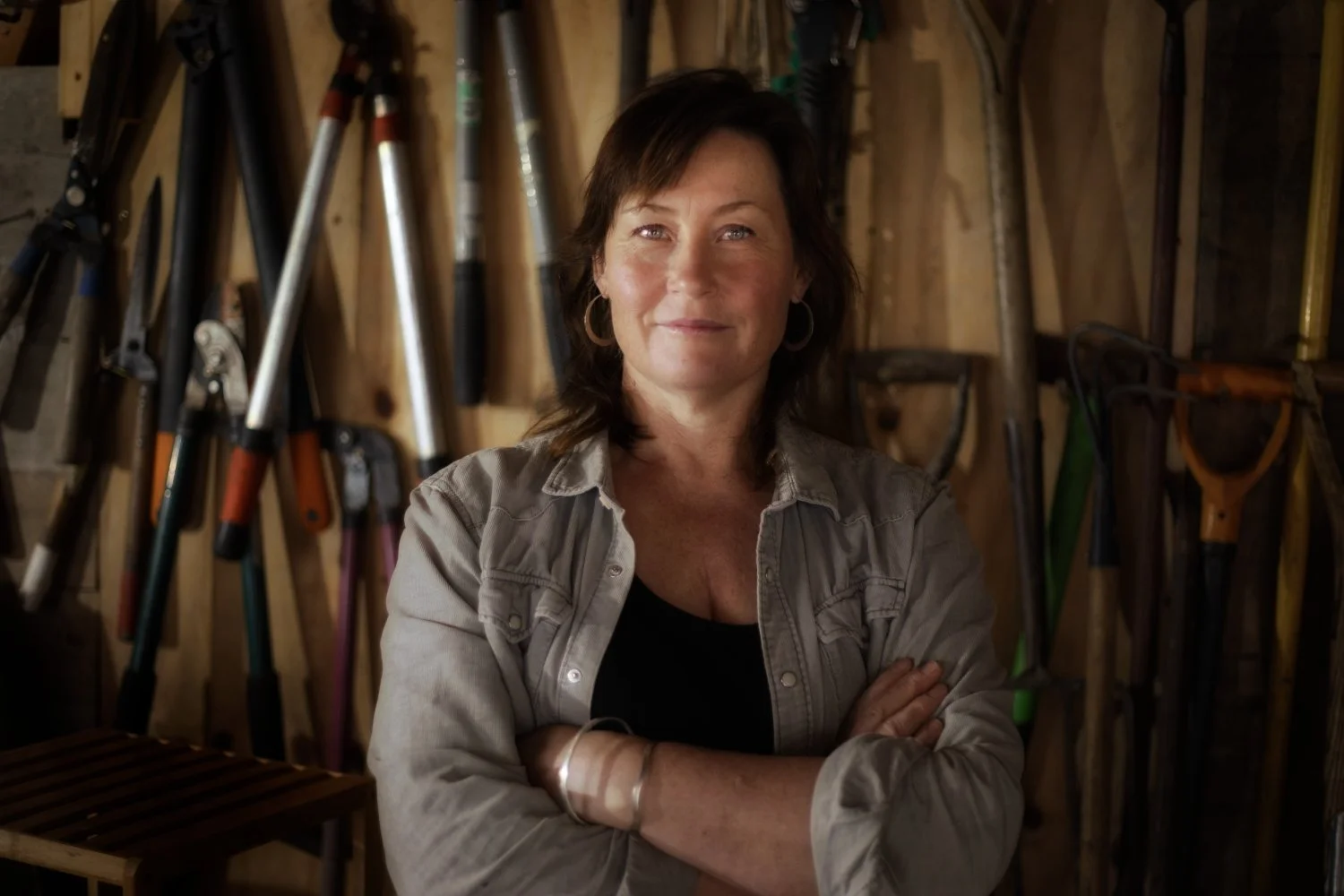
Sam Stark-Kemp, Co-founder of Stark Strand Garden Design.